From CNA to Banner Health Leader
How Tori Cordova Built an Early Career in Practice Management
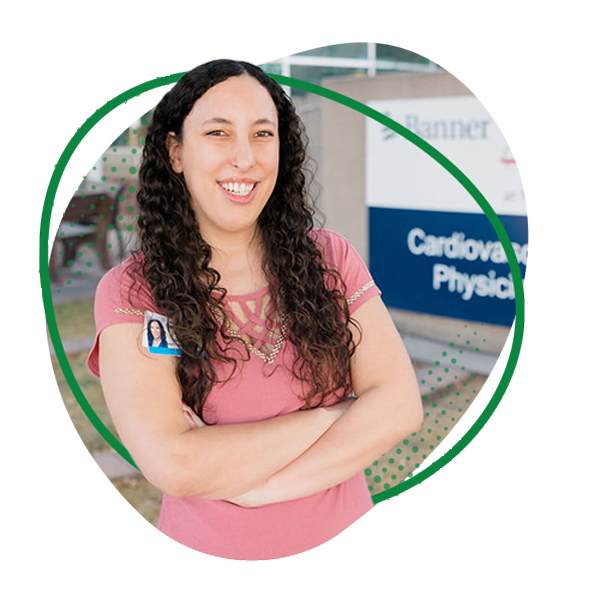
Tori Cordova’s healthcare career started the way many do, close to home. Her mother worked as a certified nursing assistant, and Cordova saw firsthand the dedication that role required. It left an impression.
“I watched the dedication she has to that,” Cordova said. “And it inspired me.”
At 17, Cordova followed the same path, becoming a CNA herself. At the time, she thought nursing might be her long-term future. What she discovered instead was a different calling.
“I ultimately fell in love with the administrative side of things,” she said. “That’s what led me into practice management.”
Moving from Bedside to Operations
After working as a CNA, Cordova transitioned into medical billing and later pursued multiple medical coding certifications. Along the way, she was exposed to the operational side of healthcare and the leaders who kept practices running.
“Between watching other leaders and how they problem solve and support staff,” she said, “that inspired me to move in that direction.”
Her career progressed quickly.
Her career progressed quickly. She stepped into leadership early as a front office manager at a cancer center, then became a practice manager at Banner Health. Today, she serves as senior manager of practice administration at Banner MD Anderson Cancer Center, supporting oncology teams and overseeing complex operational needs.
While her title has changed over the years, her connection to patient care has not.
“I may not be a clinical worker,” Cordova said, “but that doesn’t mean I can’t support their journey from the role that I’m doing.”
Leading Early and Earning Trust
Taking on leadership responsibilities early came with challenges, especially managing teams that included people with more years in the workforce. “When I first started out, it was certainly a little bit intimidating,” Cordova said. “They know more than you and have been around longer.”
She learned quickly that leadership did not require having every answer. “I’m not going to know everything, and that’s okay,” she said. “That’s what you have teams for. Your experts are on your teams.”
What mattered more was how she showed up. “When you show up every day for your team, you listen to them, and they feel heard,” Cordova said, “they’re not going to question your age.”
Over time, consistency built confidence. “My teams trust me. My providers trust me,” she said. “You prove yourself over time.”
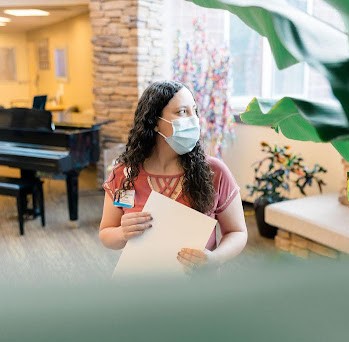
Tori Cordova began her healthcare career as a CNA at 17. Today, as a senior manager of practice administration at Banner MD Anderson Cancer Center, she reflects on leading early, earning trust, and why pursuing her CMPE is the next step in her growth.
Learning as a Leadership Habit
Cordova credits mentorship with helping her navigate the transition into leadership. “I think it’s very important to find a mentor, whether it’s in the workplace or out of the workplace,” she said.
She still turns to a former leader for advice and relies on the support of her current leader, describing both relationships as safe spaces for problem solving and growth. She also points to MGMA as an important resource, especially for early-career leaders who may not have built-in mentorship.
“MGMA offers a mentorship program that I would highly recommend,” Cordova said.
She has been an MGMA member for two years and quickly became involved in the Early Careers Resource Group. The tools, webinars, and peer discussions have helped her navigate healthcare’s steep learning curve.
“I love the tools on the website,” she said. “I’ve referenced those in a lot of work groups.”
Connecting with peers at similar career stages has been especially valuable. “We don’t all do the exact same work,” Cordova said. “But we can learn from each other and bounce ideas off of each other.”
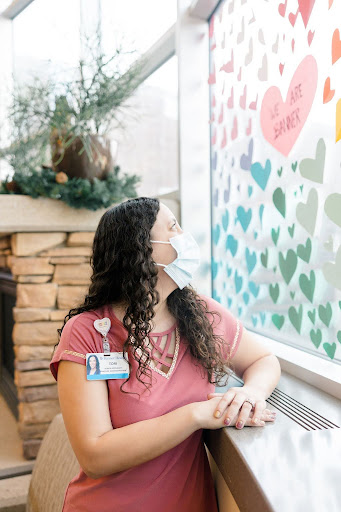
Visibility Builds Credibility
There is no such thing as a typical day in Cordova’s role.
“I’d be glad if I said I would like there to be a typical day,” she said. “But it’s a lot of putting out fires.”
What remains consistent is her focus on visibility. “I’m checking in on my teams and my providers every day,” Cordova said. “Rounding throughout the clinics, making sure there’s visibility there.”
That presence, she believes, matters. “Visibility builds credibility,” she said.
Her days are spent problem solving, supporting staff, and ensuring patients receive what they need. Even when the work is unpredictable, she finds purpose in it.
“I love problem solving,” Cordova said. “That’s what I do every single day.”
Preparing for What’s Next
Despite her rapid growth, Cordova is clear that development does not stop once you step into leadership. “My goal for 2026 is to get my CMPE certification,” she said. “I have my books and I’m studying for that right now.”
She views certification as a way to strengthen her skills and build confidence as her responsibilities continue to expand.
“Continuous learning,” she said, “I will preach that all day long.”
For early-career leaders, her advice is straightforward. “There are two key things that are really important,” Cordova said. “Always ask questions. And relationship building is very important.” Those relationships, she noted, often lead to mentorship, new opportunities, and long-term growth.
Recognizing the Work Behind the Scenes
National Medical Group Practice Week resonates deeply with Cordova.
“When people think of healthcare, they think of the clinical teams,” she said. “They do amazing work, and I will never play that down.”
But much of what keeps practices functioning happens out of sight.
“A lot of people don’t know what goes on behind the scenes,” Cordova said. “So taking a week to acknowledge that work is very important.”
For early-career leaders especially, that recognition matters.
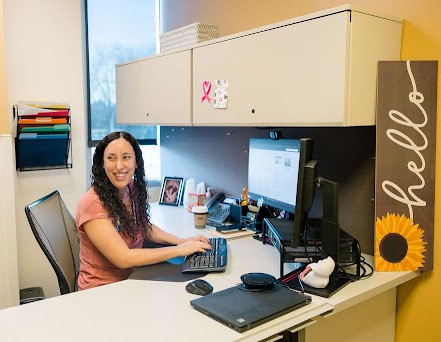
A Timely Moment to Invest in Growth
As leaders like Cordova continue building their careers, professional development becomes a way to prepare for what comes next. At the center of her work, Cordova’s motivation remains clear.
“My why is definitely the patients,” she said. “Everything we do is to make healthcare easier and better for them.”
Supporting teams, she believes, is how that happens.
“We all work together so we can give the best experience we can,” Cordova said. “That’s what’s important to me at the end of the day.”
Want to follow a path like Tori’s, growing from frontline care into practice leadership and preparing for certification? During National Medical Group Practice Week, MGMA is offering limited-time savings on ACMPE certification and professional resources.

More Insight Articles


